
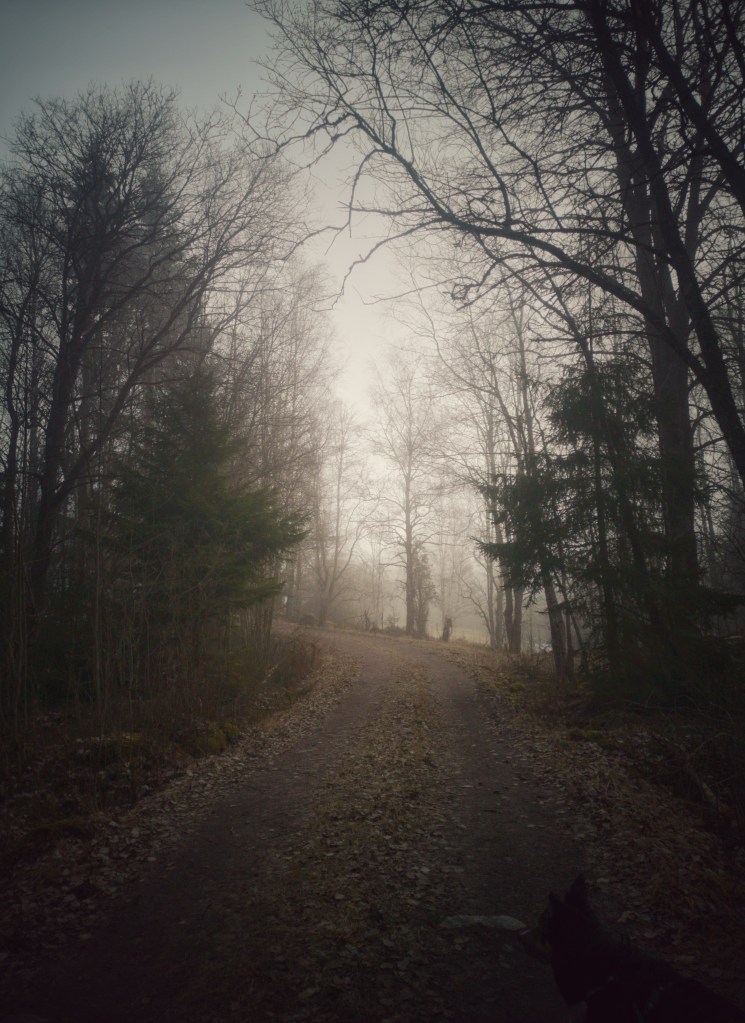
Light fog in the morning gives such a beautiful beginning of the day.
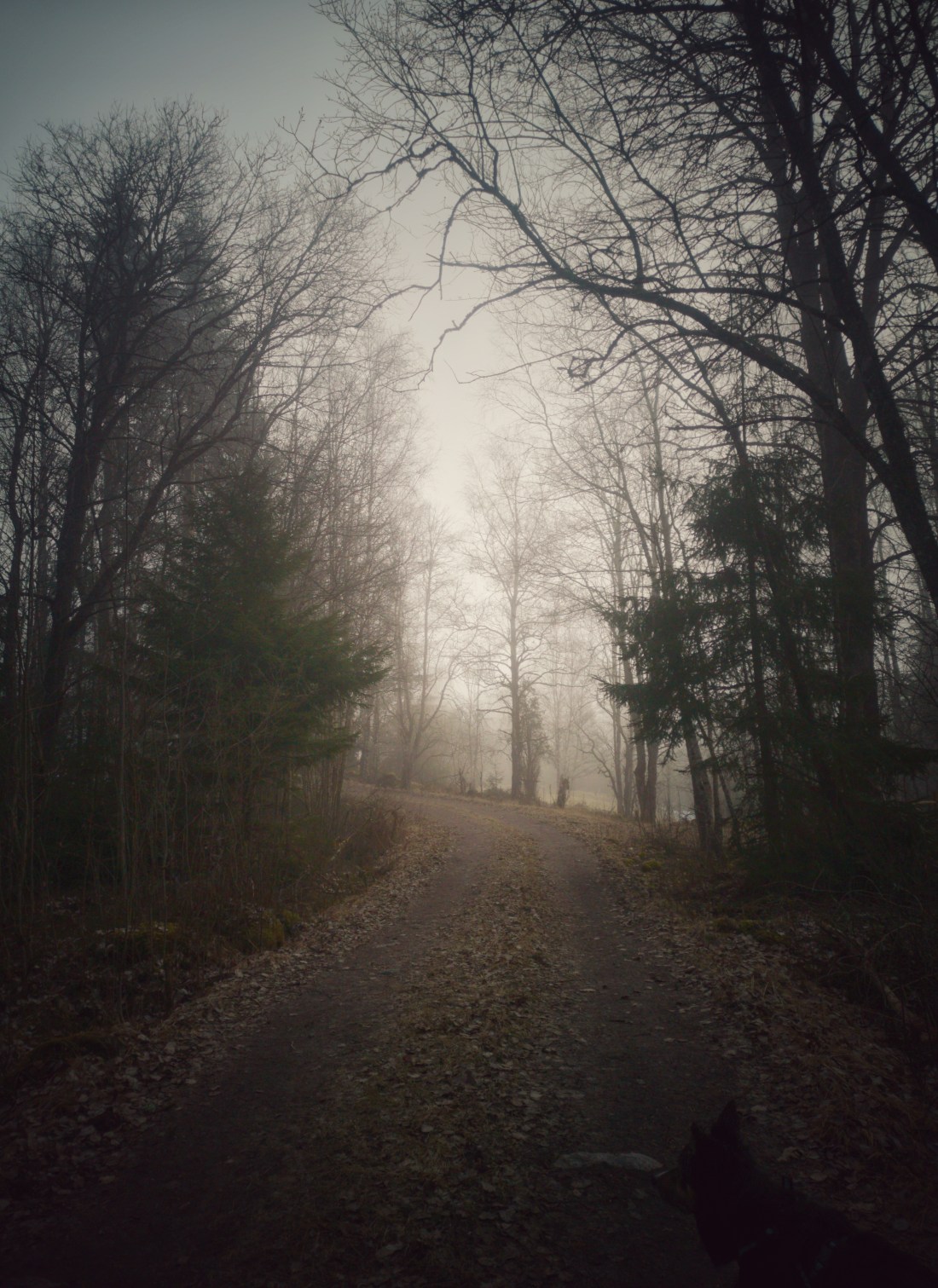
Light fog in the morning gives such a beautiful beginning of the day.
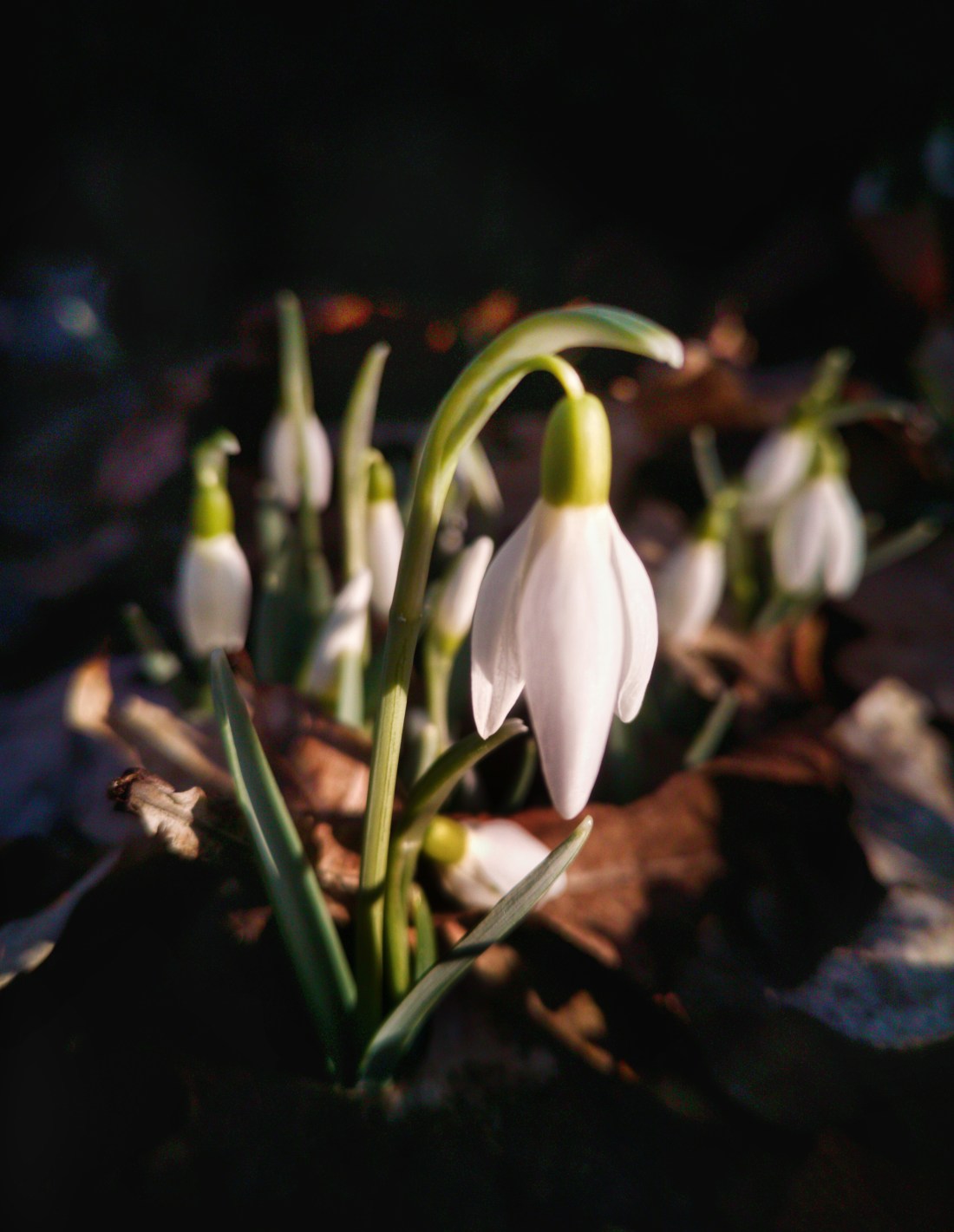
Inconspicuous colour, but if you humble yourself and smell it, you will be surprised by its strong fragrance, a mixture of lilies and honey.
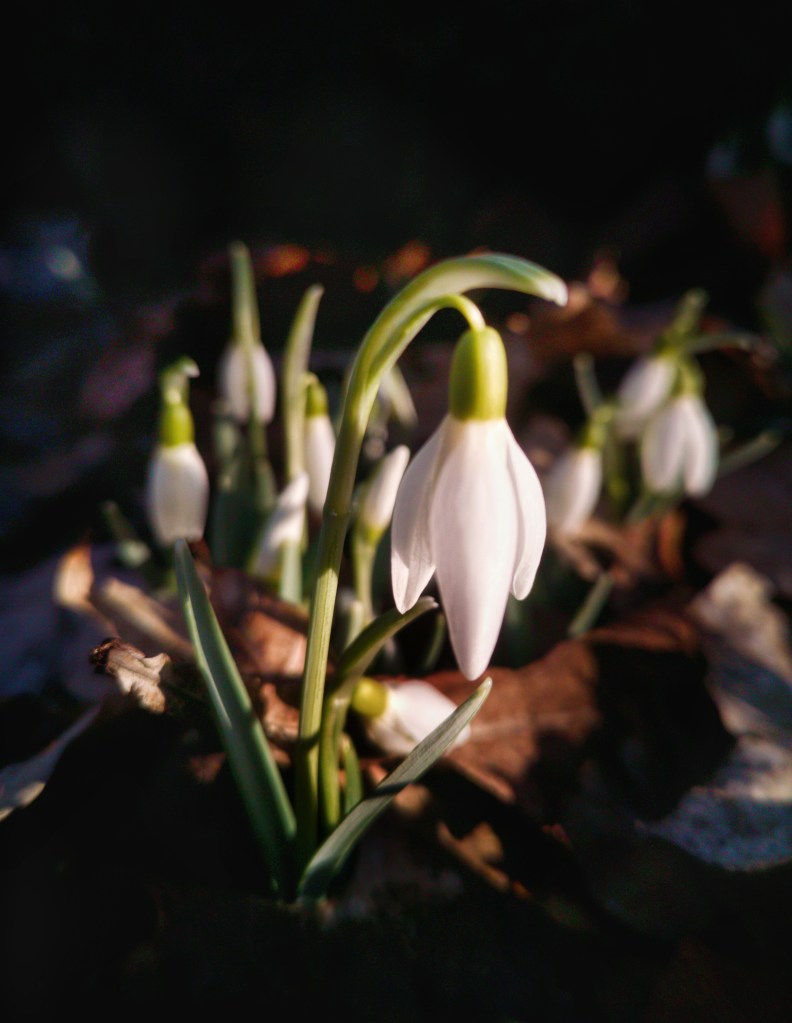

The aspen has begun to bloom. Just a couple of days ago it still had only buds. Time flies.
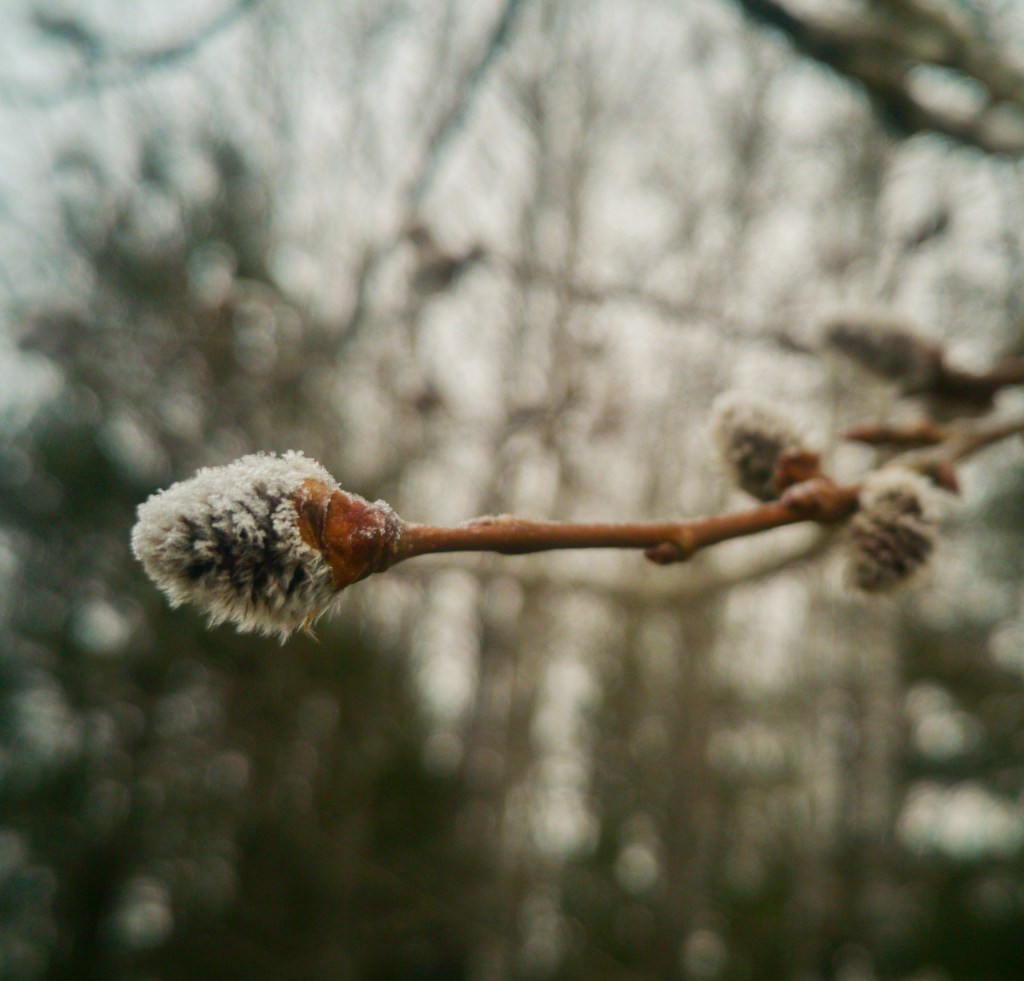
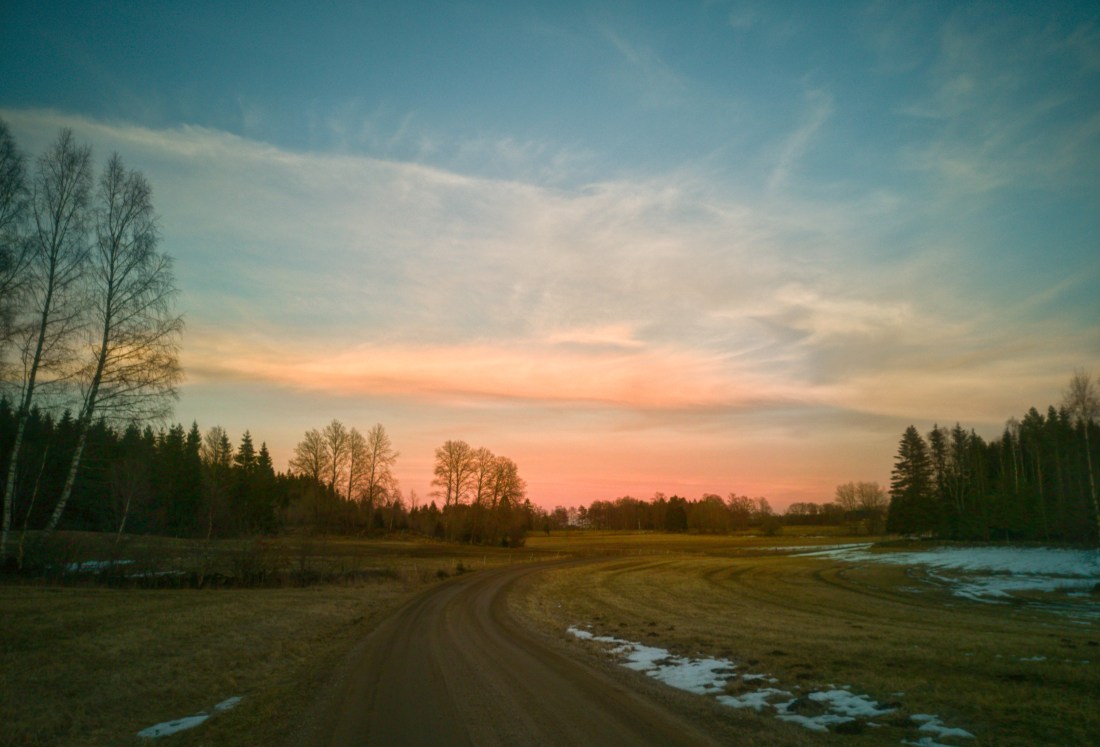

Spring is truly here, the cranes have arrived, the starling in his shimmering plumage sings as he flaps his wings in excitement. He excels in imitating other birds. Often he sits on the ridge of the wood shed with a clear view of his nest and the lake. The day grows longer than the night now. Life is back. To run during sunset these days have been a true enjoyment.
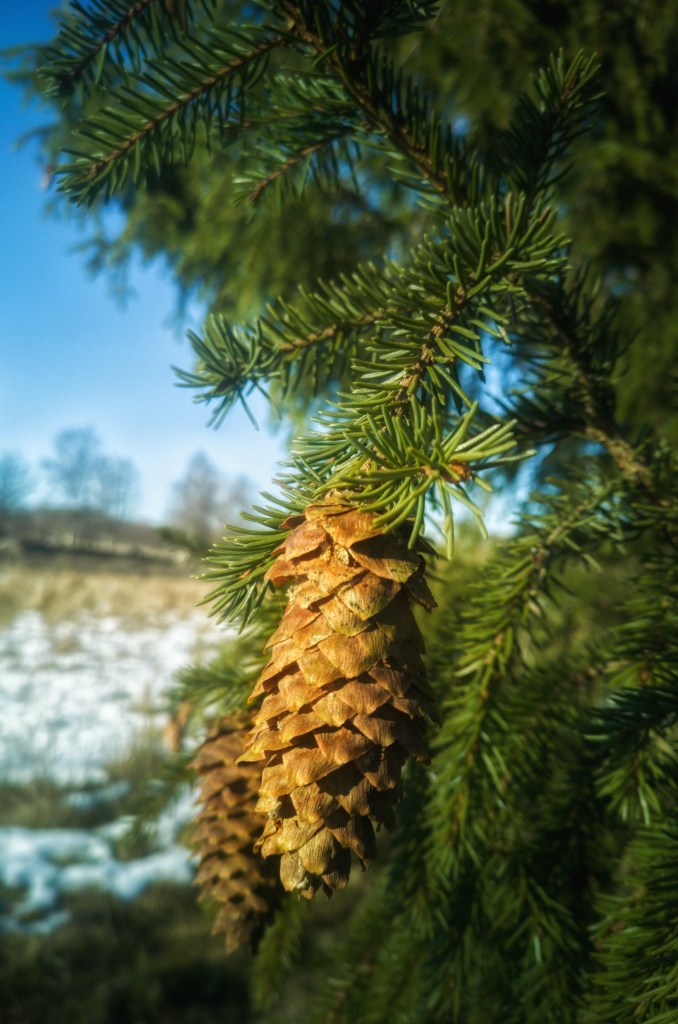
As the flowers begin to bloom, the firs release their seeds. It is a beautiful mixture of sowing and blooming.
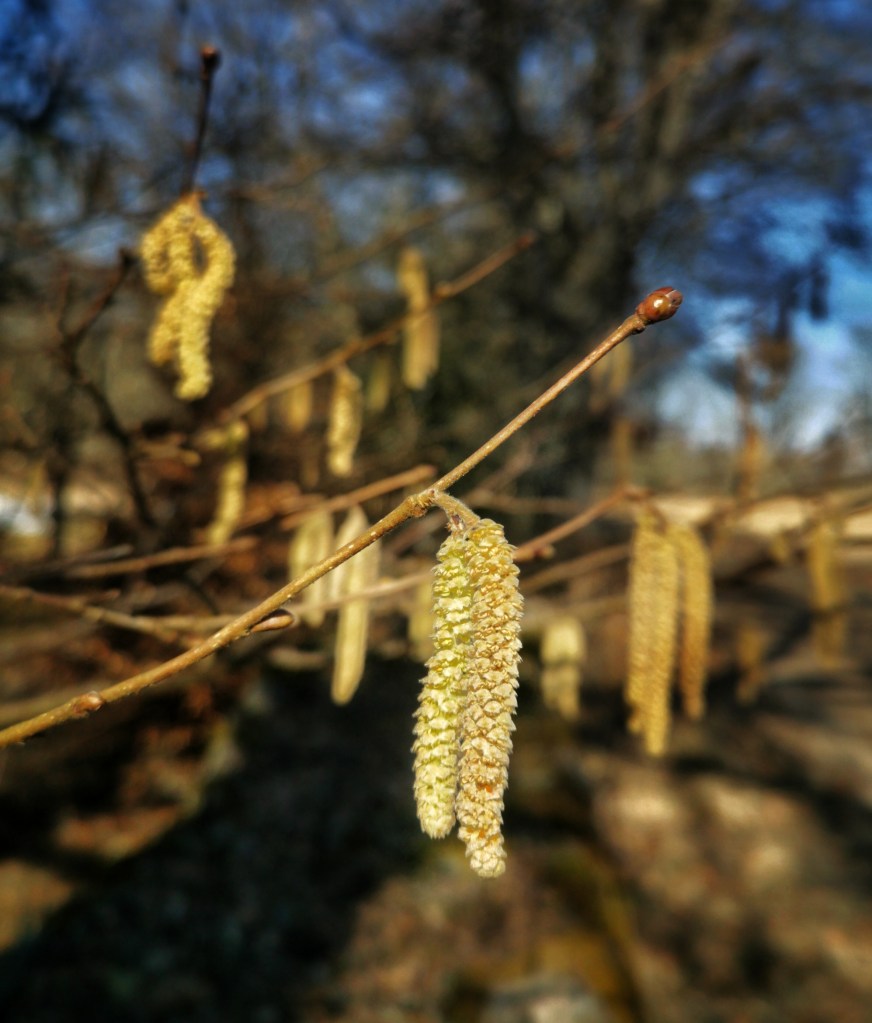
Before the trees become green the wind pollinated trees and bushes begin to bloom. I love the hazels with their golden catkins reflecting the afternoon sun.
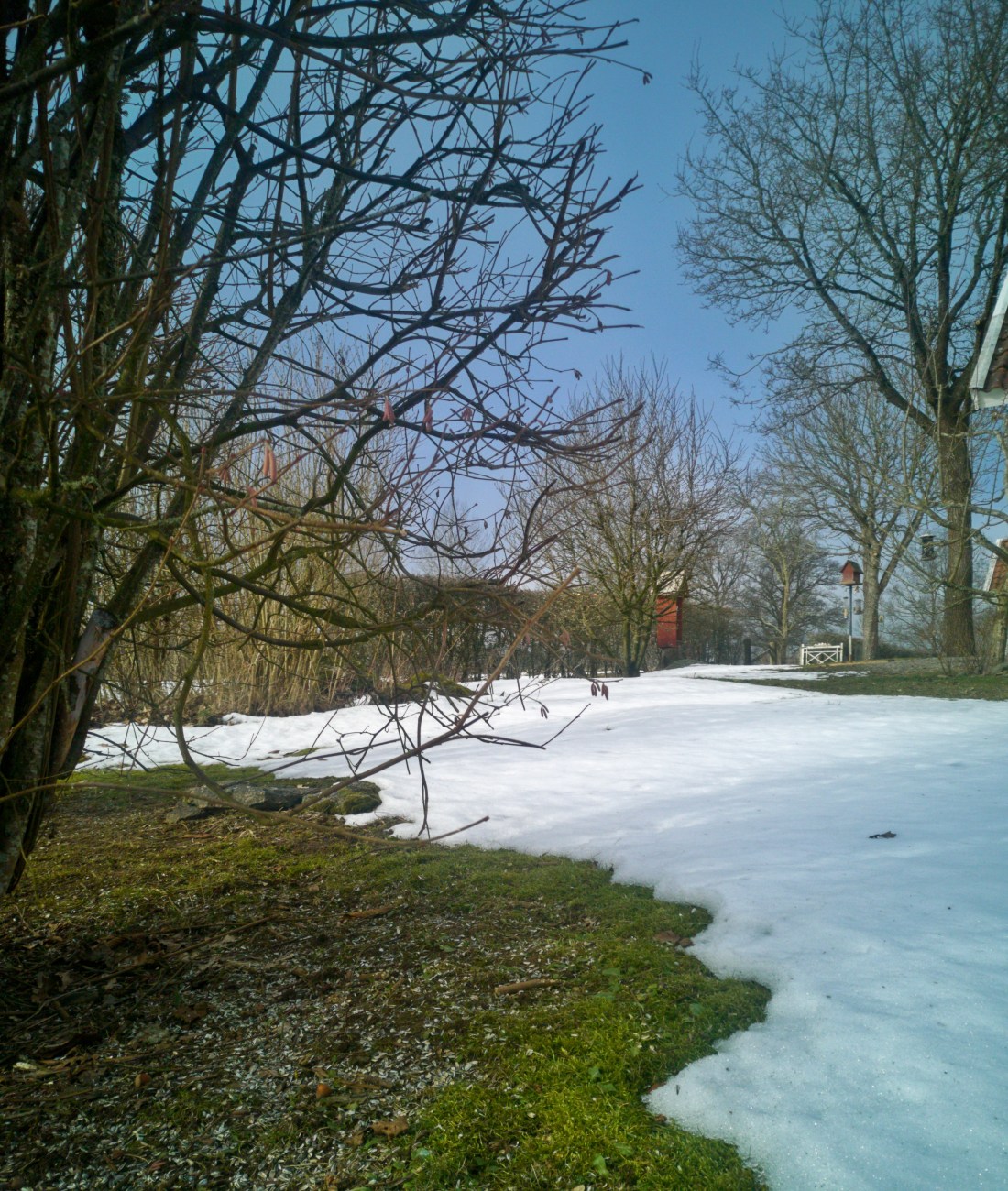
Nature is shifting its appearance, winter is in the process to change into spring. Late winter and early spring are both present: The snow is still here and the nights are cold, but the sun warms the ground during the day, softening the ground and melting the snow, making it slowly give way to earth and dead straw.

This evening gave perhaps the most beautiful sign of spring. I was out walking with Toby, and as we were almost home I heard the blackbird a little hesitantly, in the forest. We stopped and listened, rejoicing in the beautiful song.

Yesterday he came much closer and there was no hesitation in his voice. I was out removing old fence net in the corner of a big field some hundred metres from the farm. The fence streched along the forest edge of the pine forest on the other side of the ditch. As I stood there with the sun shining on my left side, he began to sing in a tree very close to me. His song echoed in the forest and together with the sunshine, epitomized the reasons why I have chosen this life.


There is something wondrous about inhabited farms, even though the fields are cultivated and cows graze in the pasture in summer.
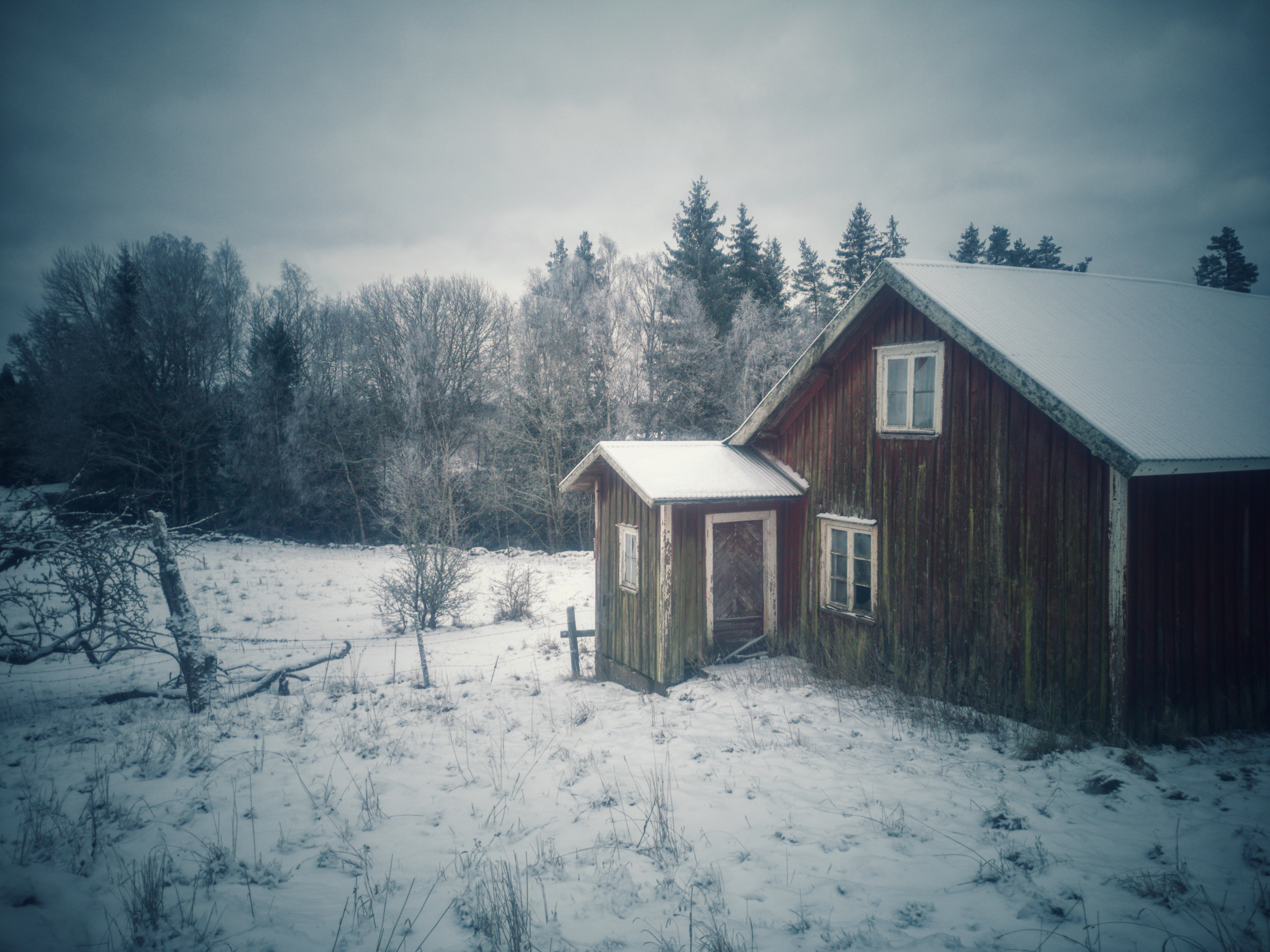
There is such a farm some kilometres from our farm, isolated up between high hills in the middle of a big forest. The view is stunning, enabling you to see firs and pines along the horizon far away. The access road is long and winding, ending in a peaceful dirt road some kilomteres from the main road. In the winter when the farm is completely abandoned, the feeling of loneliness becomes manifest, the dark small rooms with dusty furniture, the windows covered with frost, and the lack of footprints in the snow.

For about 50 years ago a brother and his sister lived there. Too humble a life for many I think. They worked the fields, cared for their animals, seemingly contented with each other’s company, growing old together. Their life changed suddenly when a fire broke out and completely destroyed their home. History and future burnt to ashes.
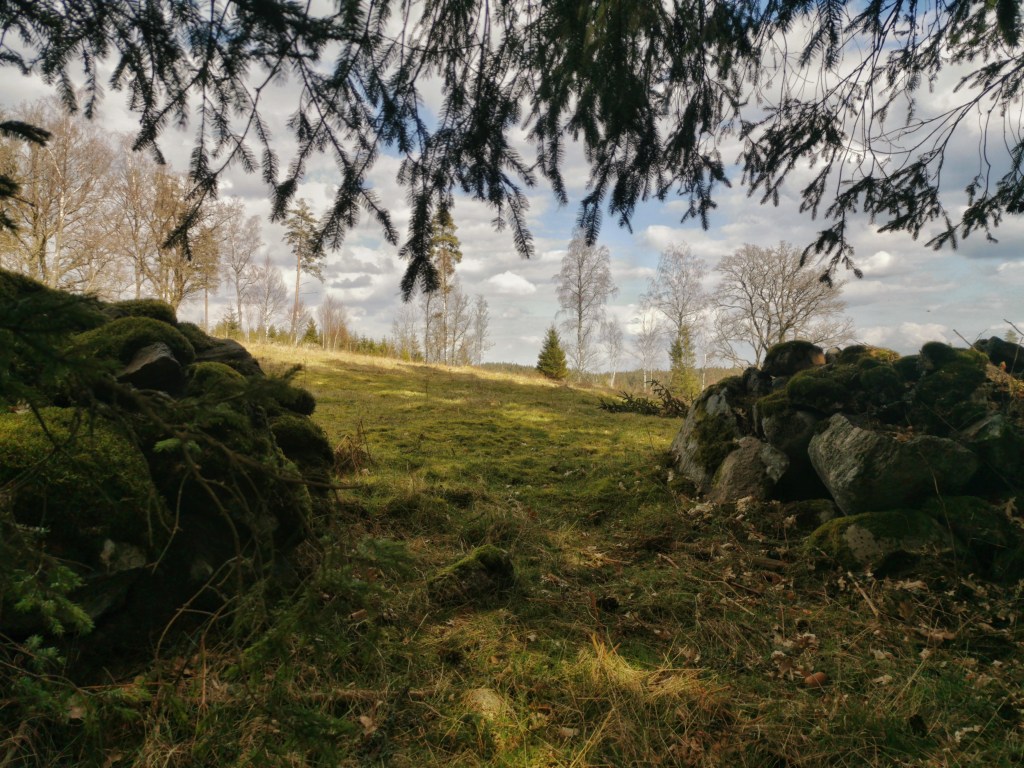
The only thing that now remains of their home is the ground and the doorstep, nothing else, except for the small adjoining buildings, tells about the home in which they grew up, lived and grew older. Too old to start afresh they moved, still together, hired a house and lived there until they moved to an elderly home. The sister died first. The brother followed her some years after. Their life is as unknown, as their home, untalked of, unimportant to this fast, efficient society. I think though that they are together now, much happier, in joy, their friendship and goodness having an eternal value.
Standing there breathing the atmosphere of silence wanting to revive the farm, but at the same time filled with fascination for its sleep, I realise my own mortality, my own limitation, well aware of that my wish never will be realised. But to be a guest, though uninvited, has its charm, enjoying the peace and the beauty, free to imagine what could have been.


I have a favourite trail. It stretches over fields, pastures, through forests and on country roads. Though not long, it is varied and it also takes me past one of the most beautiful little farms in the area. The house is situated far from the main road surrounded by fields and trees. A river runs next to it and passes an old broken water mill. The farm sleeps, waiting for someone to wake it up.
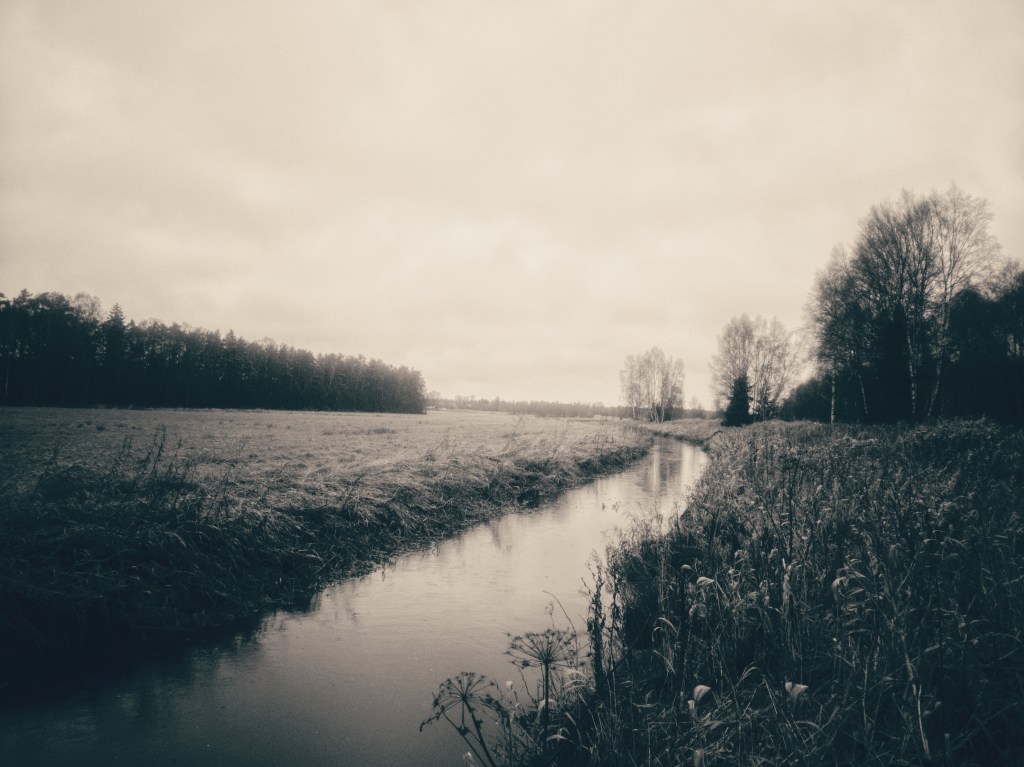
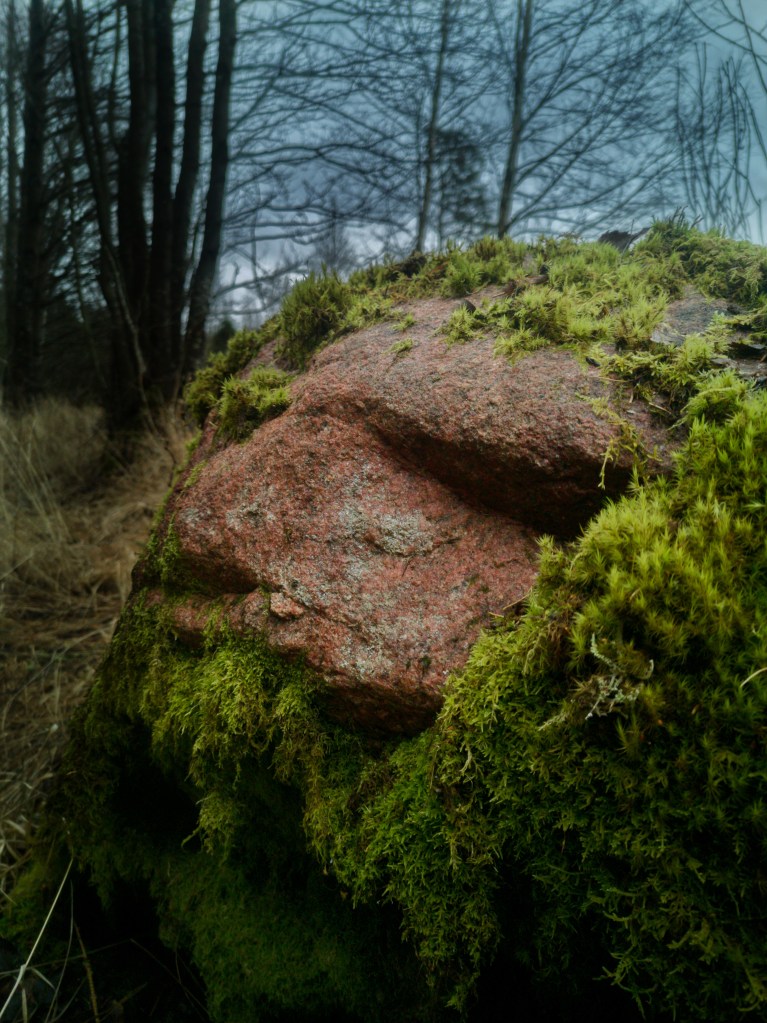
I have walked this trail for several years, but it always gives me new small surprises, as today. I passed a stone and I noticed the beautiful nuance of the red granit contrasted by the green moss that partly covered it. I kneeled down to catch it on camera. Suddenly I saw not a stone but an old man with green beard. He looked a little stern as if he was, against all odds, determined to stay there for some hundreds years more.

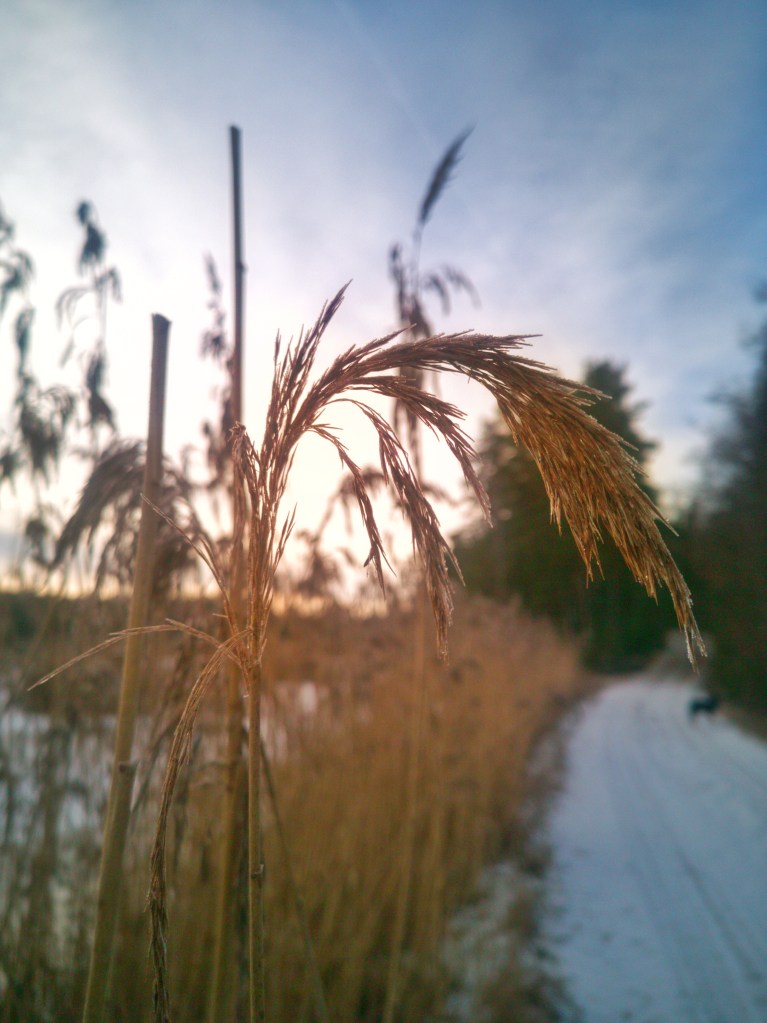
Toby and I went out for a brisk day’s walk before noon. It had been quite cold during the night, but the temperature had risen during the morning. The damp air softened the colours of both trees and ground.

I love the colour of the reeds on these days, similar to that of ferns, but more distinct, perhaps since they are much bigger. The rustling sound as the wind moves through them soothes my mind as it enhances the silence, making the walk very peaceful.
I realised that my ewe was expecting lambs, not as I had planned having them in May, but as she liked, in January. When the time of delivery grew closer, I started to get up in the middle of the night to check on her, but nothing happened except that she grew bigger and bigger, and bigger. At last I gave up and checked on her three times a day, hoping that I would be there so that I could help if she needed.
One day around noon, I sat in my room studying, and my sister calls me and said that my ewe had got her lambs. I asked her, as I hurriedly went out to the barn, how many? “Two” she said, “or three, no it’s four!”
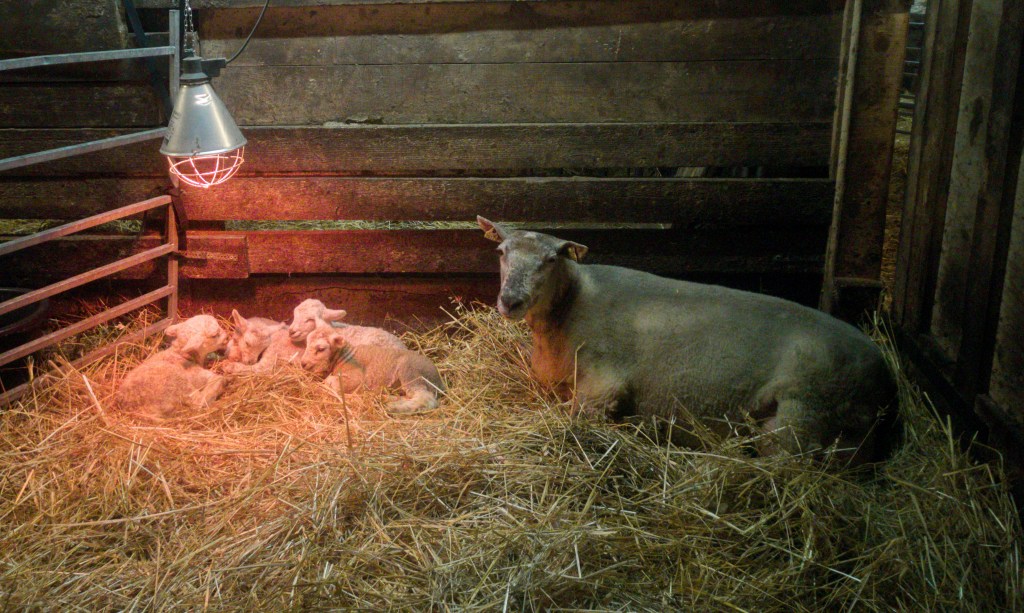
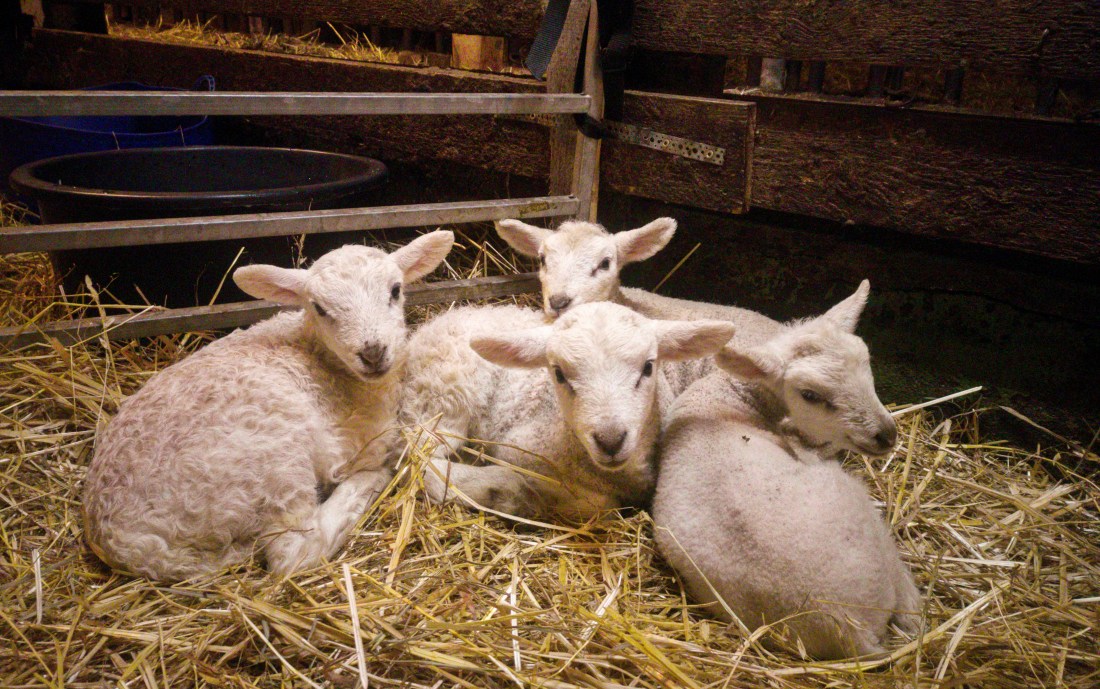
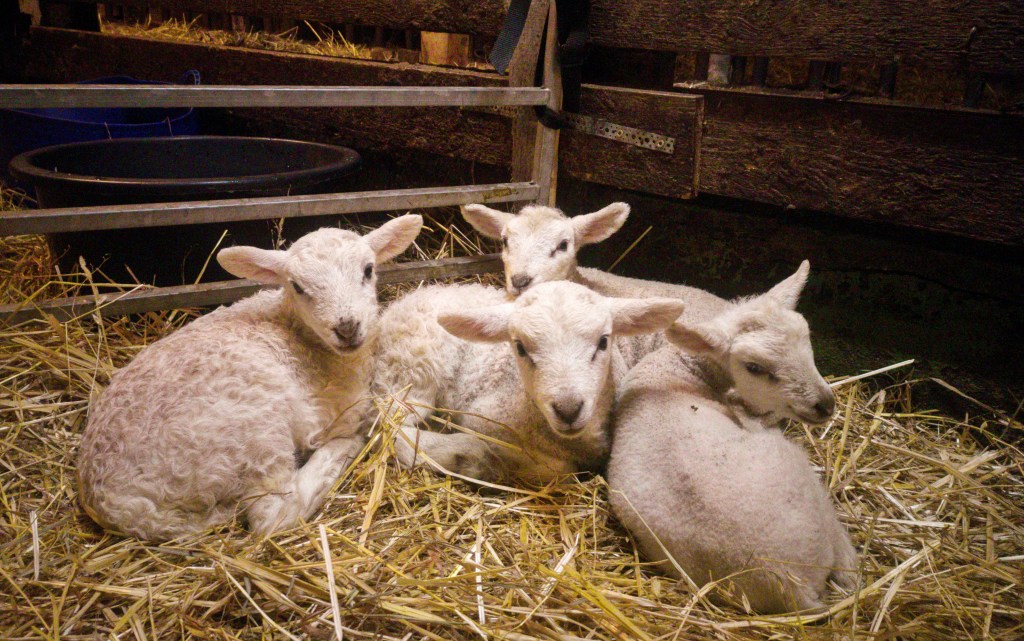
And there they were for white lambs and one of them very small and thin. She cared a lot for them all and that was wonderful. But now came the task of making the little one survive.
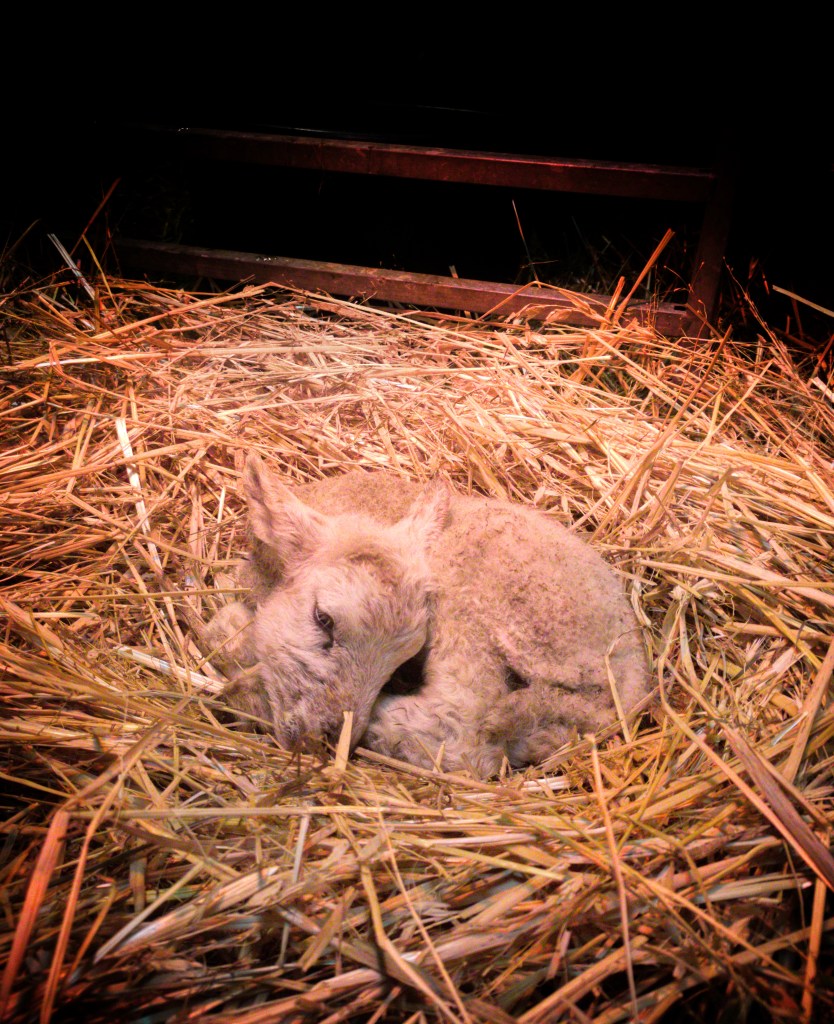
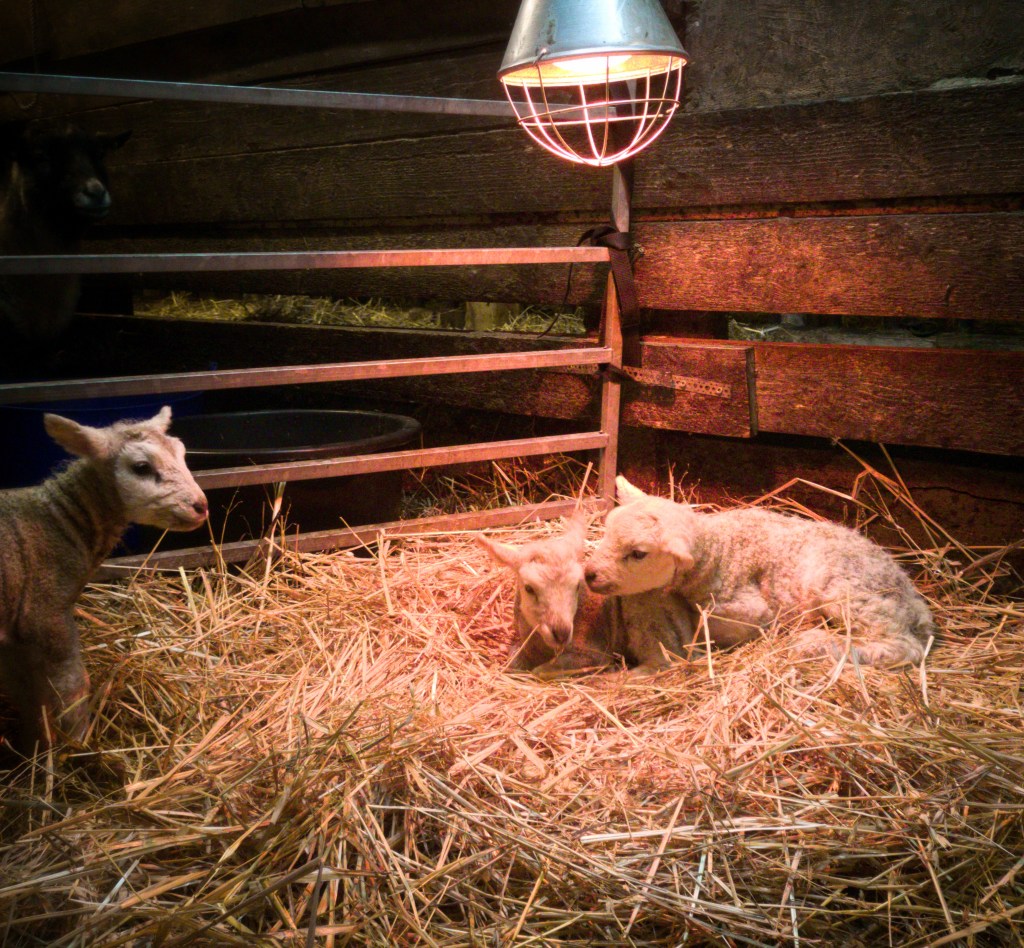
He got his rawmilk, which is essential for his immune system, but he dropped in temperature. I installed a heat lamp, he was to weak to both stand and suckle by himself so I fed him through a bottle, every fourth hour. His temperature raised to normal quite quickly, which was a good sign. After two days of slowly improving he gained strength and now after a week he is as alert as the others, allthough smaller. I have named him Richard, he must have a great name, her is real fighter. It is so wonderful that he survived.

The others treated him very well and they kept him warm. So now I have my quartette Richard, Roger, Agnes and Cecilia.

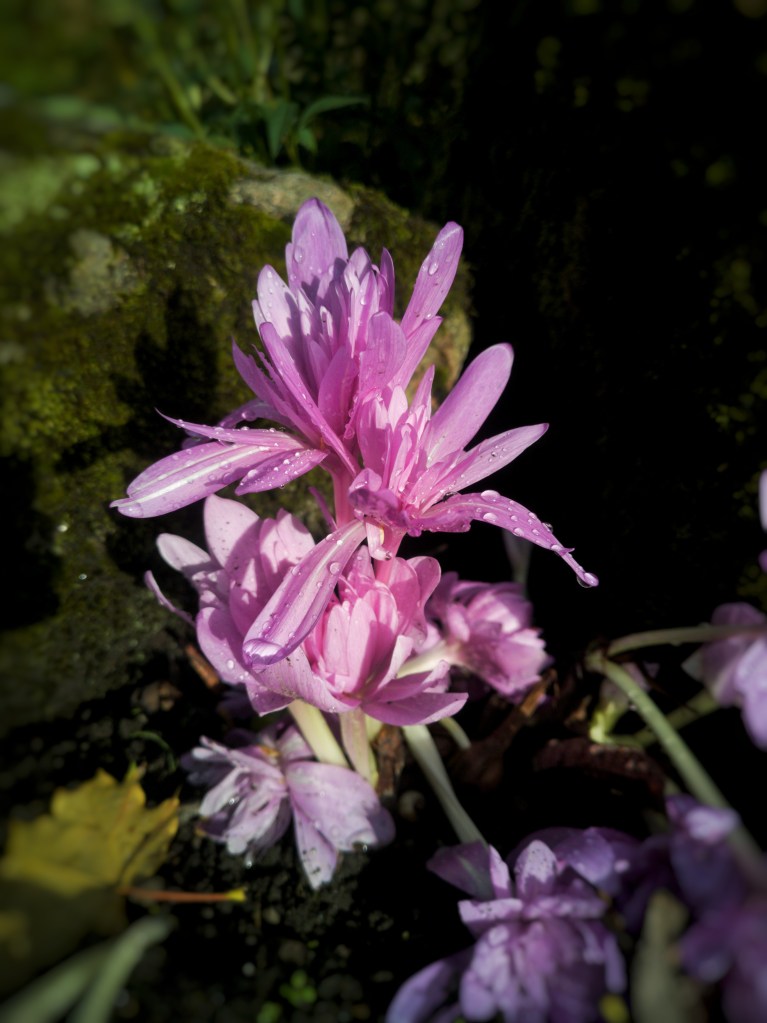
I am sitting in the living room with the Christmas tree on my right hand and a crackling fire in the tile stove on my left. Both the night and day have been stormy and the mild spring feeling turned into dry and cold winter weather, but with a clear light blue sky. A day like this one, my thoughts turn to the warm colours of autumn. There are two species that stand out, perhaps because of their soft lilac colour, October aster and the autumn crocus.
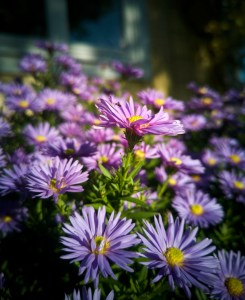
While the October aster is hardier with small flowers in abundance, the autumn crocus is more gentle and on the verge of surrealistic. You find it there in the bare soil of the flowerbed without any fragrance and without leaves to accompany the weak flowers, but with a colour that even the bright roses of summer would be proud of.
Sustainable. Self Sufficient. Loving the Land. Join Us!
A personal blog of a plant lover
Flores Island · Azores
From Where I Stand...
 Wonderer of Nature